Hours back every week
Stop building rubrics from scratch and writing the same feedback 50 times. A section's worth of essays gets a fair first-pass score and specific comments in minutes, not a whole weekend.
Generate a clear, board-aligned marking rubric for any essay, project or answer in seconds — then grade student work against it with consistent, criterion-by-criterion feedback. Built for Indian classrooms, NCERT topics and Class 1-12.
Human-reviewed output · school-safe workflows
Orbit's AI Rubric Generator turns an assignment brief into editable criteria, performance levels and score guidance. A teacher can use that rubric to organise evidence and feedback, then review every suggested score against the original student work. The teacher—not the AI—keeps final responsibility for assessment decisions.
Indian teachers handle 40-60 students per section across multiple classes, and grading open-ended work — essays, projects, long answers, holiday assignments — eats evenings and weekends. Marking is also inconsistent: the same answer can score differently depending on the teacher's mood, the time of day, or which paper in the pile it is. Building a fair rubric from scratch for every CBSE/ICSE/State board assignment is tedious, so most teachers fall back to a single number out of 10 with no feedback the child can act on. Parents then ask "why only 6 marks?" and there is no clear answer to point to.
Stop building rubrics from scratch and writing the same feedback 50 times. A section's worth of essays gets a fair first-pass score and specific comments in minutes, not a whole weekend.
Every child in the section is judged against the same criteria and mark bands, so the 14th paper is marked as carefully as the 1st. When a parent asks 'why this mark?', you have a clear rubric to point to.
Instead of a bare '6/10', each child sees which criterion cost them marks and exactly what to fix next time — turning grading into actual teaching.
Give Orbit essential context. Review its structured output. Keep final teaching decisions with educator.
Pick your board, class, subject and topic, then describe the assignment — an ICSE Class 9 analytical essay, a CBSE Class 7 history project, a State board Class 10 long answer. Set how many criteria, how many performance levels and the total marks.
Orbit drafts a complete rubric — named criteria, descriptors for every performance level and a mark band for each — calibrated to the language and rigour expected at that class and board. Edit any wording or weighting inline.
Paste a student's answer and Orbit maps each criterion to a level, suggests a score and writes a short, specific comment ('thesis is clear but two body paragraphs lack evidence'). You stay in control — accept, adjust or override every mark.
Export the rubric and the filled-in grade sheet, or reuse the rubric across the whole section so every child is marked on the same yardstick. Inside a school's Inforida subscription, grades and remarks flow into the Nucleus gradebook and parent app.
ICSE · Class 9 · English Language
A 4-criteria analytical essay rubric with 4 performance levels each, plus a worked example showing how one student paragraph maps to the rubric. Edit any descriptor or mark band before you use it.
Teacher review stays essential. Orbit creates an editable first draft. Check facts, difficulty, local context and school policy before sharing it with students.
Clear output, faster iteration and final educator control—the things that matter during a real school day.
Stop building rubrics from scratch and writing the same feedback 50 times. A section's worth of essays gets a fair first-pass score and specific comments in minutes, not a whole weekend.
Every child in the section is judged against the same criteria and mark bands, so the 14th paper is marked as carefully as the 1st. When a parent asks 'why this mark?', you have a clear rubric to point to.
Instead of a bare '6/10', each child sees which criterion cost them marks and exactly what to fix next time — turning grading into actual teaching.
Rubrics use the language and expectations suited to your board and class, from a State board Class 6 paragraph to an ICSE Class 9 analytical essay or a CBSE Class 12 source-based answer.
Save a rubric once and reuse it across sections, terms and colleagues. In a school's Inforida subscription, marks and remarks sync to the Nucleus gradebook and reach parents in the app.
Open Orbit to structure a rubric, or fill the demo form to see an educator-led assessment workflow for your school.
Easy reads about AI in classrooms, what makes great schools tick, and the cool tools we are building.
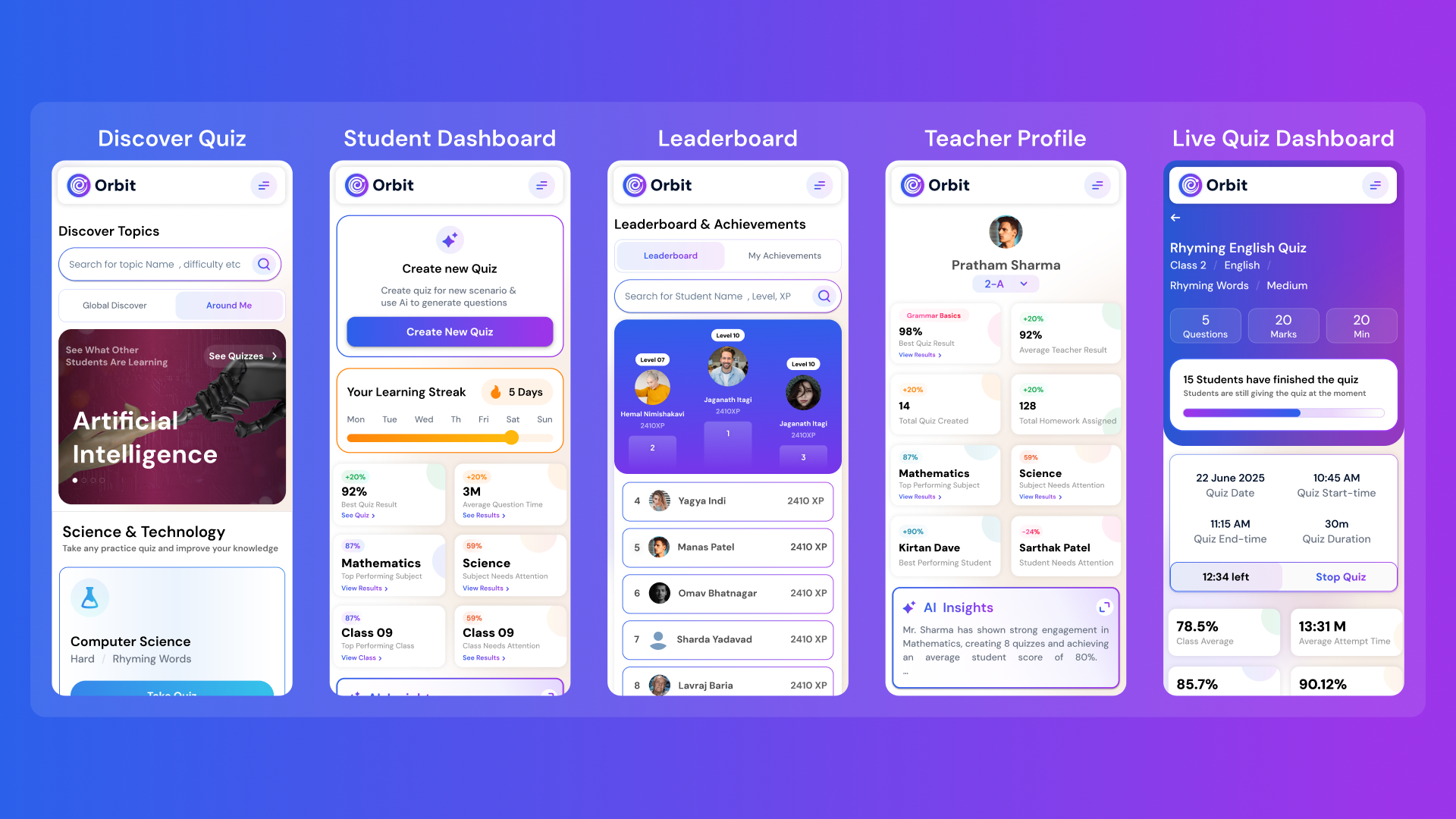
Orbit v1.4.7-beta brings a smarter and more personalized learning experience for students and teachers. With a new student dashboard, subject performance tracking, leaderboards, and real-time teacher analytics, Orbit makes learning interactive and data-driven.


From cutting attendance time to unlocking personalized learning, smart AI assistants are giving educators back what they’ve always needed most. The time to inspire. Discover why the future of education isn’t AI vs. Teachers, but AI + Teachers.

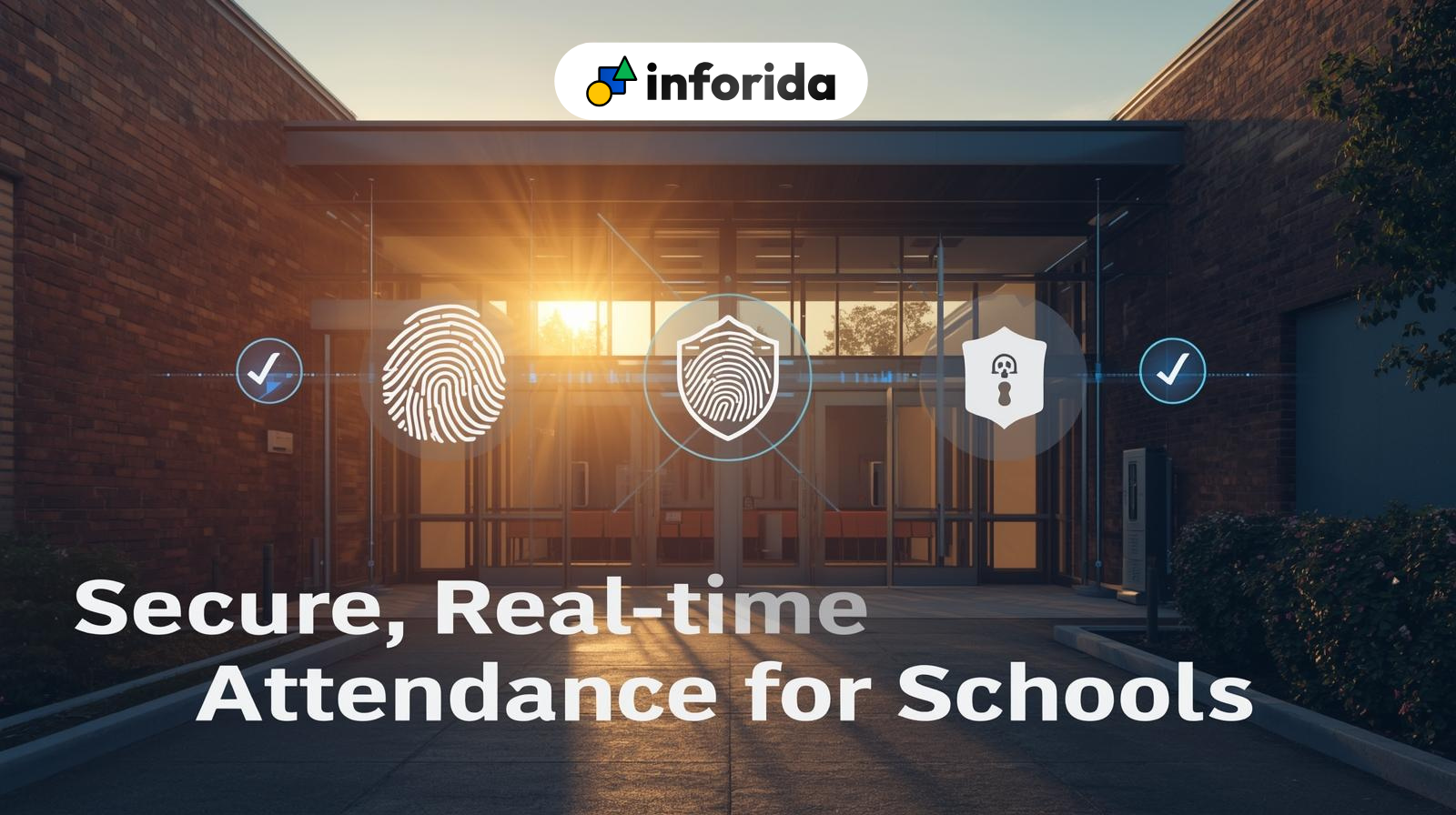
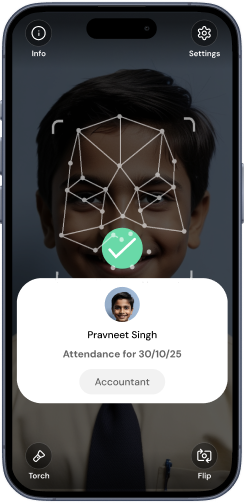
Taking attendance shouldn’t eat up your mornings. Discover how principals across India are cutting hours of wasted time and securing their campuses with Inforida’s Goood Morning — a biometric attendance system built for accuracy, safety, and peace of mind.
Everything you need to know about Inforida's platform, pricing, and implementation.
Open Orbit AI to check current access for your account, or fill the demo form for a guided school walkthrough and plan details. Use representative, non-sensitive work during evaluation.
A teacher can provide CBSE, ICSE/CISCE or a supported State-board context, alongside the class and task. The resulting rubric still needs comparison with the current brief and school assessment policy.
Yes. Rubrics are built around NCERT topics and the competency- and assessment-based learning approach CBSE follows, and you set the criteria and mark bands. Orbit drafts a strong starting point; you remain the authority and can edit any descriptor, weighting or mark before using it.
Yes. You can generate rubrics and grade answers for Hindi, and for regional-language subjects on State boards, alongside English. The rubric descriptors and feedback can be produced in the language of instruction so it's usable in your classroom and by your students.
No. Orbit suggests a level and score for each criterion and a short comment, but the teacher accepts, adjusts or overrides everything. It's a grading assistant that does the first pass and keeps marking consistent — the final marks always belong to you.
Only if you choose to share it. You can keep a rubric internal, hand it to students before an assignment so they know how they'll be judged, or — inside a school's Inforida subscription — push the filled grade sheet and remarks to the Nucleus gradebook and the parent app.
It's purpose-built for Indian classrooms: it knows board and grade conventions, produces a structured rubric and grade sheet (not loose prose), keeps the teacher in control of marks, and connects to your school's gradebook and parent communication through Inforida — so the output is ready to use, not just text to copy-paste.
Yes. Student answers you paste in are used only to generate the rubric mapping and feedback for that assignment. Inside a school's Inforida subscription, grading data stays within your school's account and is handled under Inforida's data-protection practices, in line with Indian school-data expectations.
Take attendance, collect fees, send messages and run the day, all from your phone. Made for school heads who are always on the move.